Posture Concerns and How Chiropractic can Help

Sitting is an epidemic — and your spine is paying the price.
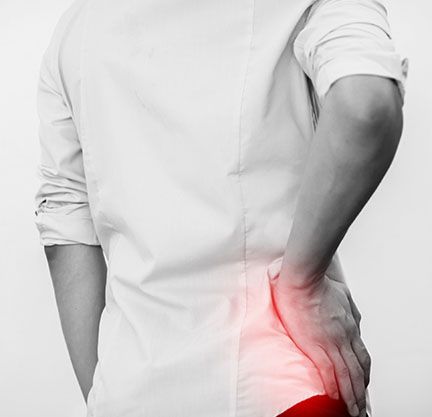
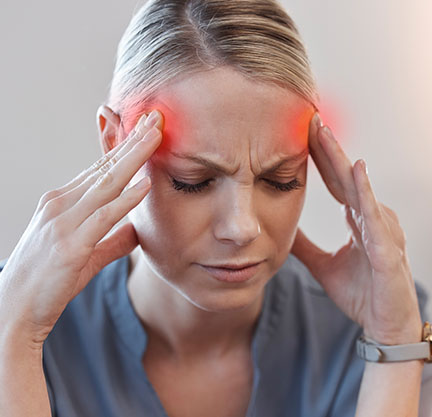
The human body was not designed for eight hours of sitting. Yet for millions of Australians, that’s the daily reality — and it shows up in our clinic every day. Neck stiffness that builds through the morning. Upper back pain that’s always there but never quite bad enough to act on. Headaches that arrive by mid-afternoon. A constant low-grade ache between the shoulder blades.
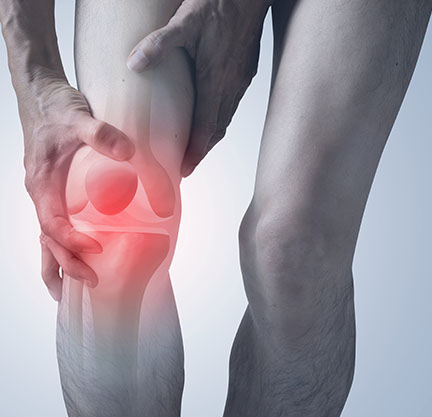
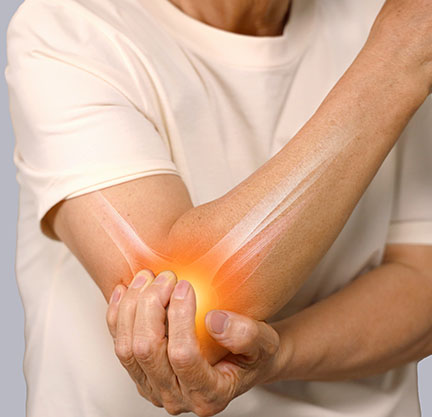
Postural and desk-related pain is not just about how you sit. It’s about what happens to your joints and muscles when they’re held in the same position for hours at a time. Joints stiffen. Muscles on one side shorten. Muscles on the other side lengthen and weaken. The neck drifts forward. The thoracic spine rounds. The pain that results isn’t coming from the posture itself — it’s coming from the restricted joints, inflamed tissue and muscular imbalances that prolonged posture has created over time.
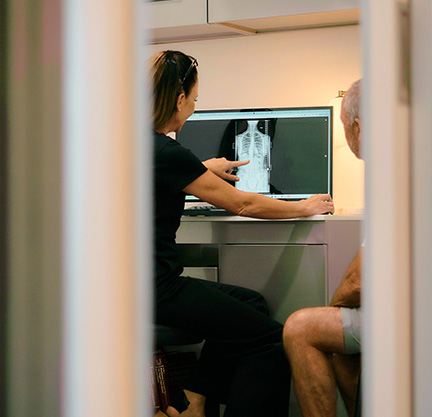
Our treatment for postural and desk-related pain addresses all of these layers: joint restriction through chiropractic adjustment, muscular dysfunction through soft tissue release and dry needling, and long-term change through a targeted home rehabilitation program via Physitrack that restores the muscle balance your posture has disrupted.
What we commonly treat
Frequently Asked Questions
Can chiropractic fix my posture?
Chiropractic restores joint movement and addresses the muscular imbalances that drive poor posture. Sustained postural change also requires rehabilitation and habit change — we address both.
My pain isn’t that bad — should I still come in?
Yes. Postural and desk-related pain is much easier to address in its early stages. If stiffness and tension are becoming a regular feature of your day, that’s the right time to get it assessed — before compensatory patterns become entrenched.
Do you offer ergonomic advice?
Yes. Workstation setup, sitting posture and movement habits are part of how we approach desk-related pain. Treating the joints and muscles without addressing the environment that created the problem is only half the job.