Tendinopathies and Overuse Injuries and How Chiropractic Can Help

Tendinopathies are among the most common and frustrating musculoskeletal conditions we see. Unlike acute injuries, tendon pain builds gradually — a niggle that gets worse with activity, eases with rest, then returns the moment you push again. Left unaddressed, it becomes chronic, and chronic tendinopathy is significantly harder to resolve than an early presentation.
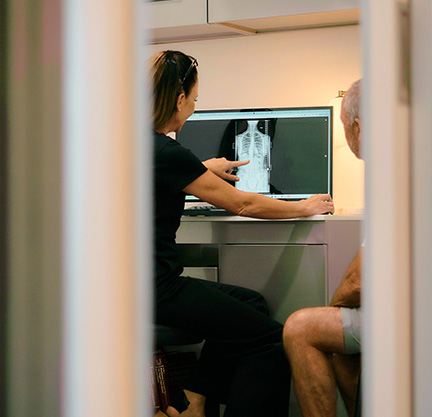
At Barefoot Health Co, we understand the biology of tendinopathy. Tendons don’t simply become inflamed — the tissue undergoes a degenerative process that requires specific loading strategies to reverse, not rest alone. Our approach combines cold laser therapy for evidence-based inflammation reduction at the cellular level, dry needling to stimulate healing in the affected tendon, chiropractic assessment of the contributing biomechanical factors that are overloading the tendon, and a carefully progressed rehabilitation program through Physitrack that loads the tendon progressively — the only thing that drives genuine tendon adaptation and recovery.
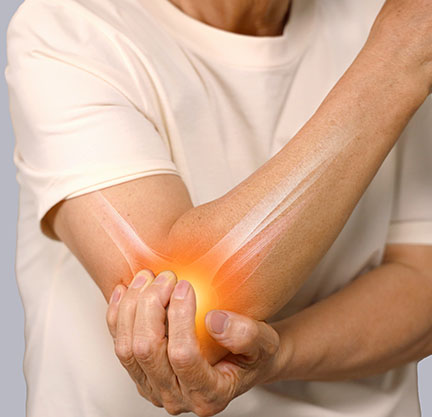
Whether you’re dealing with plantar fasciitis that makes your first steps in the morning agony, Achilles pain that’s keeping you from running, or elbow tendinopathy that’s affecting your work — we have the tools and the clinical approach to get you back on track.
What we commonly treat
Frequently Asked Questions
Can cold laser help with tendinopathy?
Yes. Cold laser therapy (photobiomodulation) has a well-established evidence base for reducing inflammation and accelerating tissue healing in tendinopathy. It works at the cellular level — stimulating mitochondrial activity to support tissue repair — and is particularly effective in the early and middle stages of tendinopathy management.
Why does plantar fasciitis hurt most in the morning?
Morning heel pain that eases after the first few minutes of walking is a classic plantar fasciitis presentation. The plantar fascia tightens overnight and is then suddenly loaded with the first steps of the day. It’s a reliable sign the fascia is inflamed and under mechanical stress — and a sign it needs proper treatment, not just stretching.
Should I stop exercising with tendinopathy?
Not necessarily — and often complete rest makes it worse. Tendons need load to heal, but the type, timing and volume of load matters enormously. Our rehabilitation programs are designed around progressive tendon loading — carefully managed to drive healing without aggravating the tissue.