
Is Your Baby’s Head Shape a Sign of Something More? What Carina Parents Need to Know About Plagiocephaly
As a new parent, you notice everything about your baby — their first smile, the way they curl their fingers, even how they hold their head. But what happens when you notice their head looks a little flat on one side, or that they always seem to turn the same direction? These can be early signs of plagiocephaly (flat head syndrome), and the good news is that with early intervention, it’s completely treatable.
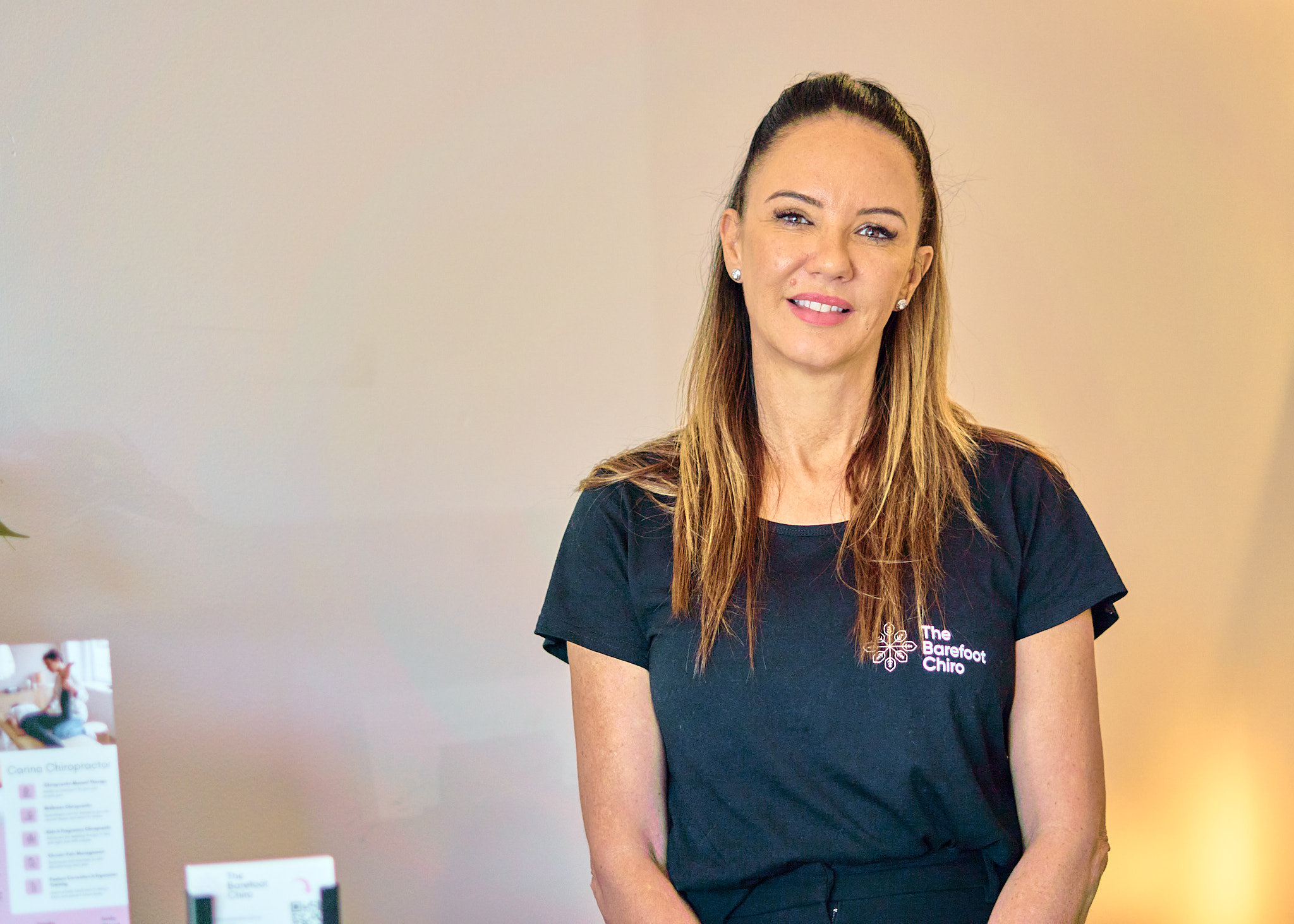
At Barefoot Health Co — The Barefoot Chiro, our chiropractor Niki McGuinness has 15 years of chiropractic experience working with babies and families right here in Carina. She is proud to be certified in Inspiral Paediatrics, a specialised framework for assessing and supporting newborns using gentle, evidence-based techniques.
What Is Plagiocephaly?
Plagiocephaly refers to asymmetrical or abnormal flattening of a baby’s skull. It most commonly develops in the first weeks of life due to positioning preferences in the womb, a difficult birth, or habitual head turning after birth — often linked to torticollis (tightness in the neck muscles).
It’s more common than many parents realise, with research suggesting positional plagiocephaly affects up to 46% of infants aged 7–12 weeks (Mawji et al., 2013, Paediatric Child Health).
Early Signs to Watch For
The earlier plagiocephaly is identified, the easier it is to address. Look out for these signs in the first weeks of life:
- Feeding preference — baby consistently favours one breast or struggles to feed on one side
- Head position preference — always turning the head to the same side when lying down
- Irritability — especially when positioned in a way that requires neck rotation
- Difficulty latching — asymmetrical latch or jaw tension affecting feeding
- Restricted neck movement — baby resisting turning their head to one side
As babies grow, if these early signs go unaddressed, later signs can develop:
- Frontal bossing — a prominent forehead on the opposite side of the flattening
- Visible head asymmetry — a clearly misshapen or flattened skull when viewed from above
- Facial asymmetry — uneven ears, eyes, or jaw alignment
Why Early Treatment Matters: The Neurodevelopmental Link
This isn’t just about head shape. Emerging research highlights a concerning link between uncorrected plagiocephaly and neurodevelopmental delays.
A landmark study by Speltz et al. (2010, Pediatrics) found that infants with deformational plagiocephaly scored significantly lower on cognitive and motor development assessments compared to control groups. Researchers propose that restricted cranial movement and dural tension (tension through the connective tissue lining the brain and spinal cord) may impact neurological development during a critical window of growth.
This is precisely why the evidence supports beginning treatment as early as possible — ideally before 4 months of age, when the skull is most responsive to change and the neurodevelopmental window is wide open.
How We Help: Gentle, Safe Techniques — No Manipulation
It’s important to understand that we do not use spinal manipulation on infants. Our approach is entirely gentle and specifically designed for newborns and babies.
Using the Inspiral Paediatrics framework, we apply soft, targeted techniques to:
- Cranial sutures — gentle mobilisation to reduce restriction and support natural skull development
- Oral structures — addressing jaw and tongue tension that contributes to feeding difficulties and head positioning
- Pelvis and sacrum — releasing tension through the base of the spine to reduce dural tension, the pulling sensation through the membrane that connects the skull to the sacrum
Reducing dural tension is key. When the dura (the connective tissue sheath surrounding the brain and spinal cord) is under tension, it can restrict cranial movement, contribute to torticollis, and affect neurological function. By gently releasing these tensions, we support the body’s natural ability to self-correct.
Research supports a 4–6 week treatment program as the optimal window for measurable improvement in head shape, with or without accompanying torticollis (van Vlimmeren et al., 2008, Archives of Pediatric & Adolescent Medicine).
Supporting Mums Before Baby Arrives
Prevention can begin even before birth. Niki is also trained in the Webster Technique and the Activator Method for pregnant mothers — gentle, low-force approaches used to optimise pelvic alignment and uterine space during the later stages of pregnancy.
When a baby has more room to move freely in the womb, they’re less likely to become stuck in a position that leads to torticollis or plagiocephaly after birth. Supporting mum’s pelvis is one of the most proactive steps a family can take.
When Should You Bring Your Baby In?
If you notice any of the early signs mentioned above — even in the first week or two of life — it’s worth having your baby assessed. The research is clear: earlier is better. For more information, read our section on newborn chiropractic treatment: Newborn Chiropractic (0 – 6 months) – The Barefoot Chiro
We welcome newborns, infants, and pregnant mothers at Barefoot Health Co in Carina. Our assessments are thorough and always tailored to your baby’s individual needs.
📍 Barefoot Health Co — The Barefoot Chiro | Carina, Brisbane
📞 Book an appointment today and give your baby the best start.
References: Mawji et al. (2013), Paediatric Child Health; Speltz et al. (2010), Pediatrics; van Vlimmeren et al. (2008), Archives of Pediatric & Adolescent Medicine.